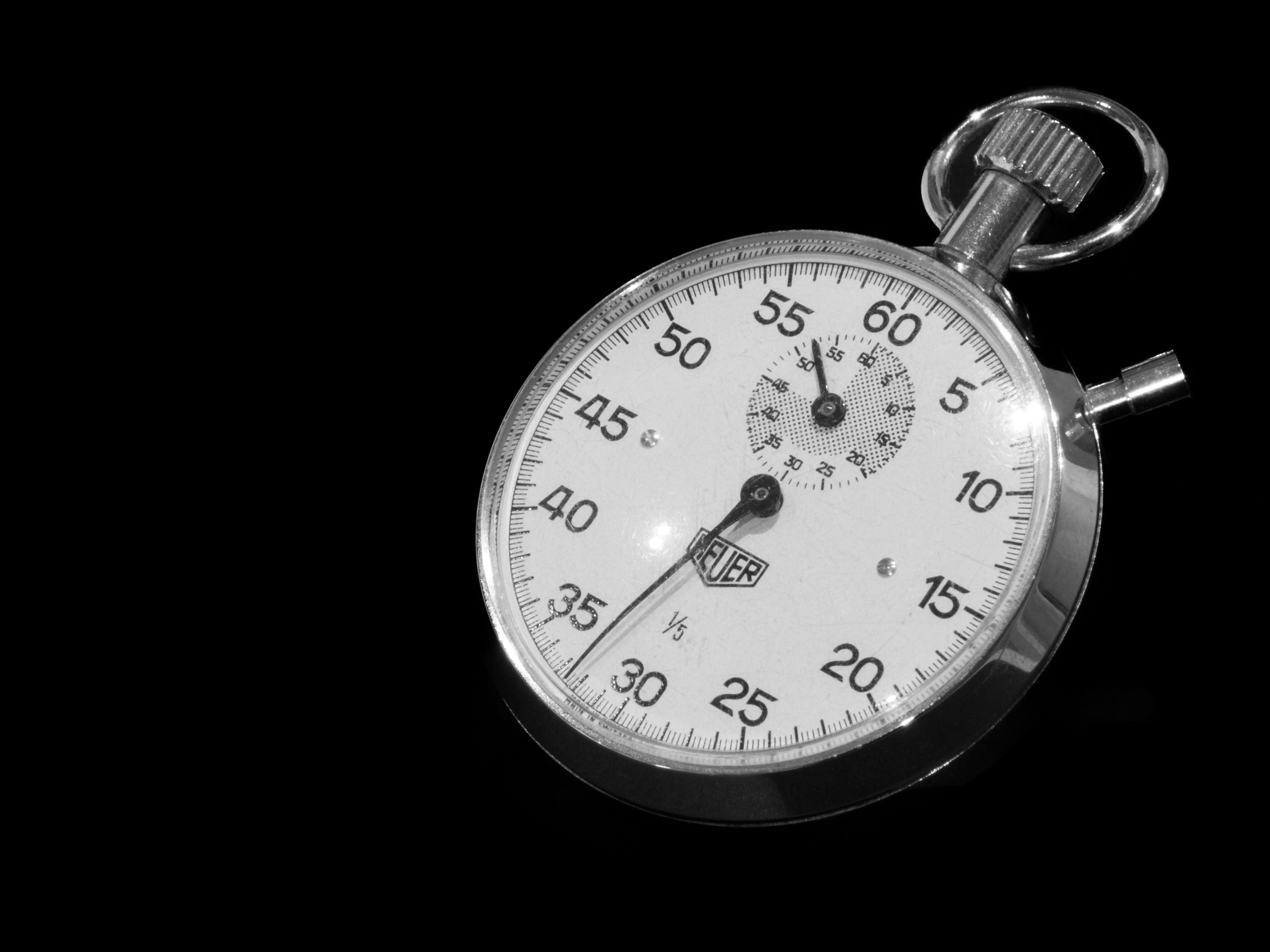
Navigation & roadbook
Equipment
Roadbook roller, tripmeter, trip computer – what equipment do you need for a regularity rally? An overview of all key navigation tools.

An outing needs a route and lunch. A rally also needs regulations, a classification, controls, timing and the consent of authorities and the federation. In return it brings entrants from far away, fills the start list year after year and makes the club visible. This guide walks through organising a one-day regularity rally for 60 to 120 cars, the kind most clubs run. The examples come from the regulations of rallies listed on RallyGuide.
Allow nine to twelve months. The order is always the same: date and permits, route, regulations, publish, entries, rally day, follow-up.
First the date: check the calendar for rallies in your region on the same weekend and avoid clashes with the big events your entrants go to. Then the responsibilities, which differ by country. A regularity test with timed scoring runs in many countries under the regulations of the national sporting authority (ASN): DMSB with the ADAC local clubs in Germany, AMF and ÖMVV in Austria, ACI Sport or ASI in Italy, KNAF in the Netherlands, Auto Sport Schweiz in Switzerland. The Winterrallye Steiermark, for instance, runs under AMF regulations. A purely touring drive without timed scoring often does not need this, but it does need the consent of the municipalities whose squares or road sections are used.
Three things must be settled early in any case: the organiser's liability insurance, the use of the start and finish venue (community hall, fairground, club ground) and whether the federation lists the event in its calendar or a championship. The Heidelberger Herbstrallye counts towards the Odenwald-Oldtimer-Pokal, the ADAC Hagen-Klassik towards four cups. That brings entrants who would otherwise not come.
Rule of thumb for the timeline: date and permits twelve months ahead, regulations published six months ahead, entry deadline one to four weeks before the start. The Schwäbische Alb Classic closes on 27 June for a 4 July start, the Heidelberger Herbstrallye on 30 September for 25 October.
A one-day rally covers 100 to 250 km: the Pfingst-Rallye-Rurich around 110 km, the Hagen-Klassik up to 190 km, the Charity Classic 180 km, the Schwäbische Alb Classic two legs of around 110 and 100 km with lunch at the start and finish venue. Average speeds on secondary roads are 30 to 40 km/h (Hagen-Klassik 36 km/h sporting, 30 km/h touring; Charity Classic 40 km/h), in winter at most 50 km/h. Plan stops at places with parking, toilets and catering for the whole field.
Drive the route at least three times: once to plan, once to write the roadbook with a tripmaster, once a week before the rally to check for roadworks and closures. Put the regularity tests on sections without villages and junctions, decide whether timing points are known or secret (the Alb Classic runs around 20 known target-time checkpoints), and set up a reference section before the start for calibrating tripmasters. The usual roadbook symbols are explained in Roadbook symbols.
The supplementary regulations are contract and advertisement at once. They name the organiser and officials (clerk of the course, sporting officials), date and schedule, start and finish, distance and averages, eligible cars with year limit and classes, the scoring with penalty points, the entry fee with what it includes and its tiers, entry deadline and limit, liability waiver, insurance, data protection and photo consent, and the prizes.
Examples from practice: the Schwäbische Alb Classic charges 180 euros per crew until 6 June and 200 euros until 27 June, including breakfast, lunch, coffee and cake, a sparkling-wine reception, roadbook and rally plate, plus trophies for 30 per cent of entrants; the field is limited to 60 crews. The Heidelberger Herbstrallye charges 165 euros for car with driver and co-driver, 70 euros per additional passenger, a 20-euro late fee, and limits the field to 120 cars. The Hagen-Klassik offers a sporting and a touring group for 100 crews, the Kids Benefits Rally three classes down to a starter class for 80 crews. Two groups or classes by level are the surest way to attract beginners and experienced crews at the same time.
After publication the entries arrive, ideally via a form with all required fields: driver, co-driver, car with year, class, contact, consents. Confirm every entry, send the start list with start numbers a week ahead, and decide whether the start order follows year of manufacture, class or order of entry.
Rally day follows a fixed pattern, which the Alb Classic publishes like this: document check and scrutineering 7:00 to 8:30, drivers' briefing 8:45, first car starts 9:00, first leg finishes 12:00, second leg 13:30 to 16:00, prize-giving 19:00. Start at one-minute intervals, give every crew a time card, rally plate and roadbook, and organise the results so they are ready for the prize-giving. How the day looks from the entrants' side is in Event schedule.
Publish the results the same evening or the next day, with all classes and the times of the individual tests, because that is what crews learn from. Add photos, thanks to helpers and sponsors, and the date for next year. Rallies that announce their date early have full start lists.
And list the rally where entrants search. On RallyGuide the listing is free for organisers: date, venue, regulations, entry fee and entry link appear in six languages in the calendar, on the country page and, if the rally counts towards a championship, on its page. How it works is on Become an organiser on RallyGuide.
Roadbook roller, tripmeter, trip computer – what equipment do you need for a regularity rally? An overview of all key navigation tools.
Your first rally weekend: what you need, what to expect and how to prepare. The complete guide for regularity rally beginners.
Which vehicle classes exist in regularity rallies? Categories by year, homologation and engine size – clearly explained on RallyGuide.
What does a classic car rally really cost? Entry fees, equipment, vehicle and travel – every cost factor explained transparently on RallyGuide.