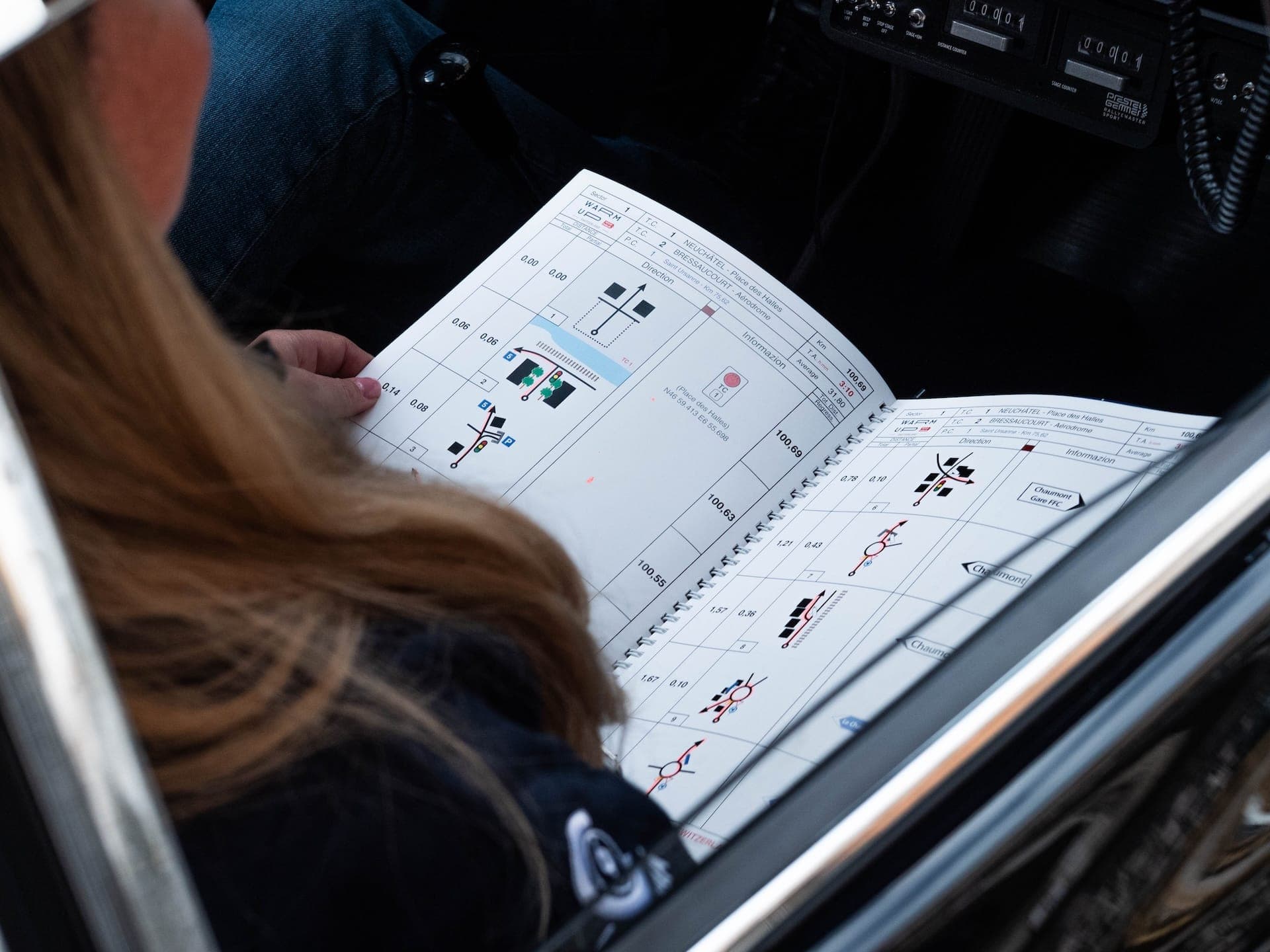
Navigation & roadbook
Roadbook symbols
Tulip, hourglass, sharp hairpin, complex junction – all roadbook symbols clearly explained. Learn to read the roadbook and navigate any rally.

At the heart of every regularity rally lies a simple but demanding principle: a set route must be covered in an exactly defined time or at an exactly defined average speed. It is not the fastest who wins, but whoever follows the target most precisely.
This seemingly simple task turns out in practice to be a fascinating challenge: traffic, lights, gradients and your own nerves make it surprisingly hard to hold a constant speed.
A rally consists of several special stages – SS for short. A special stage is a defined section of route in which your precision is measured. Secret controls or passage controls record how accurately you met the target time.
Any deviation from the target time – whether too early or too late – results in penalty points. In the end the crew with the fewest penalty points wins. We explain exactly how penalties are calculated in the scoring guide.
Organisers either set a target time for a section or an average speed to maintain – for example 50 km/h over a given distance. Your task is to match this value as exactly as possible.
This is where the interplay of driver and navigator comes in: the navigator continually calculates whether you are on schedule and gives instructions to adjust the pace.
Worth knowing: in regularity rallies driving too fast is never rewarded. Whoever races collects just as many penalty points as whoever dawdles. It is solely about precision.
Not every regularity rally is the same. There are single-day events for a quick start, multi-day tours with overnight stays and star rallies, in which all participants drive from different directions to a common destination. Some rallies focus on scenically attractive routes, others on sporting ambition with tricky special stages. This variety makes it easy to find an event that suits your preferences.
At some rallies a navigation task is added to the regularity element. Here the roadbook is deliberately trickier, and crews must deduce the right way from clues. Such navigation rallies reward attentive navigators and provide a special thrill. For beginners it is advisable to start with classic regularity rallies before tackling demanding navigation formats.
Tulip, hourglass, sharp hairpin, complex junction – all roadbook symbols clearly explained. Learn to read the roadbook and navigate any rally.
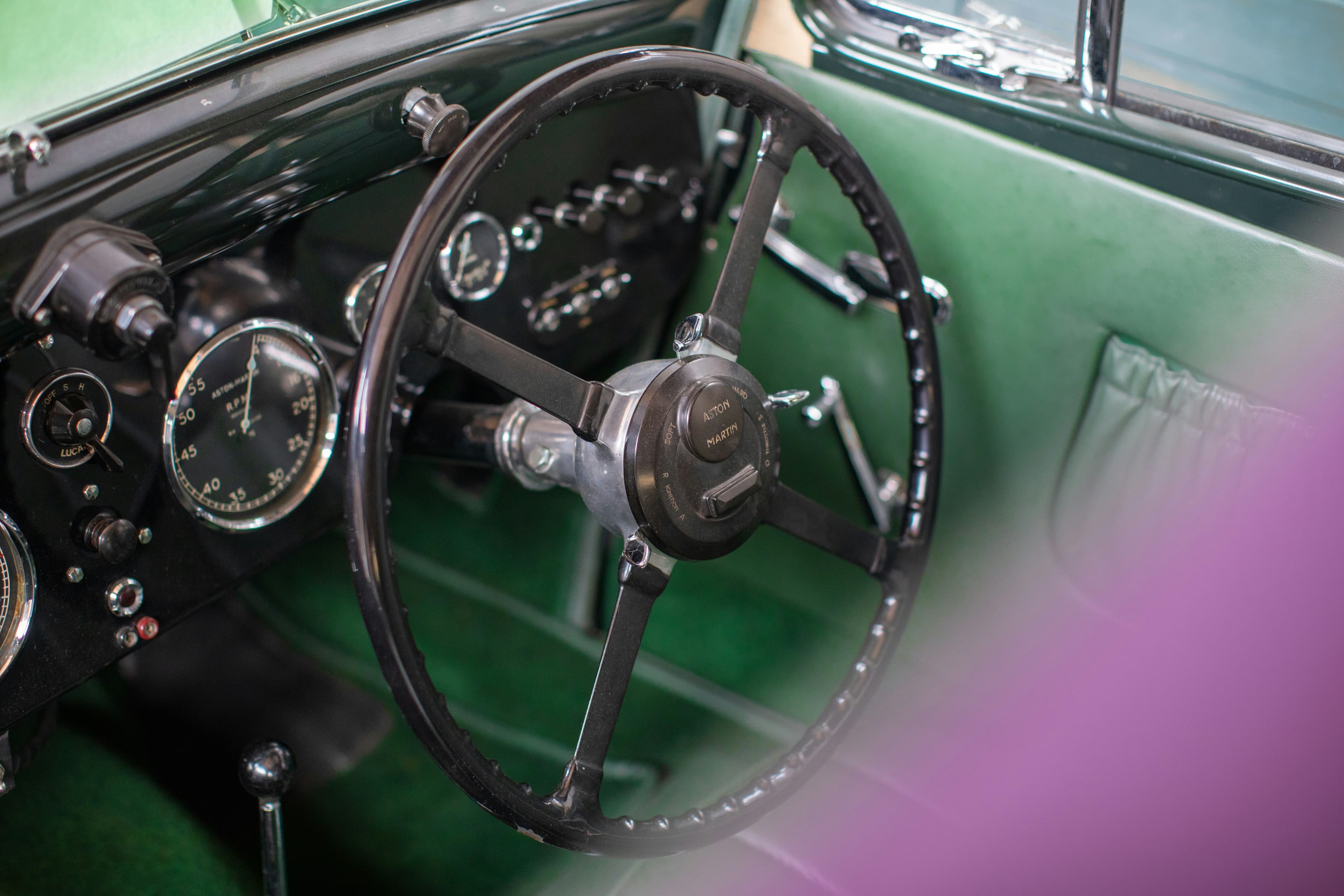
Your first rally weekend: what you need, what to expect and how to prepare. The complete guide for regularity rally beginners.
What does a classic car rally really cost? Entry fees, equipment, vehicle and travel – every cost factor explained transparently on RallyGuide.
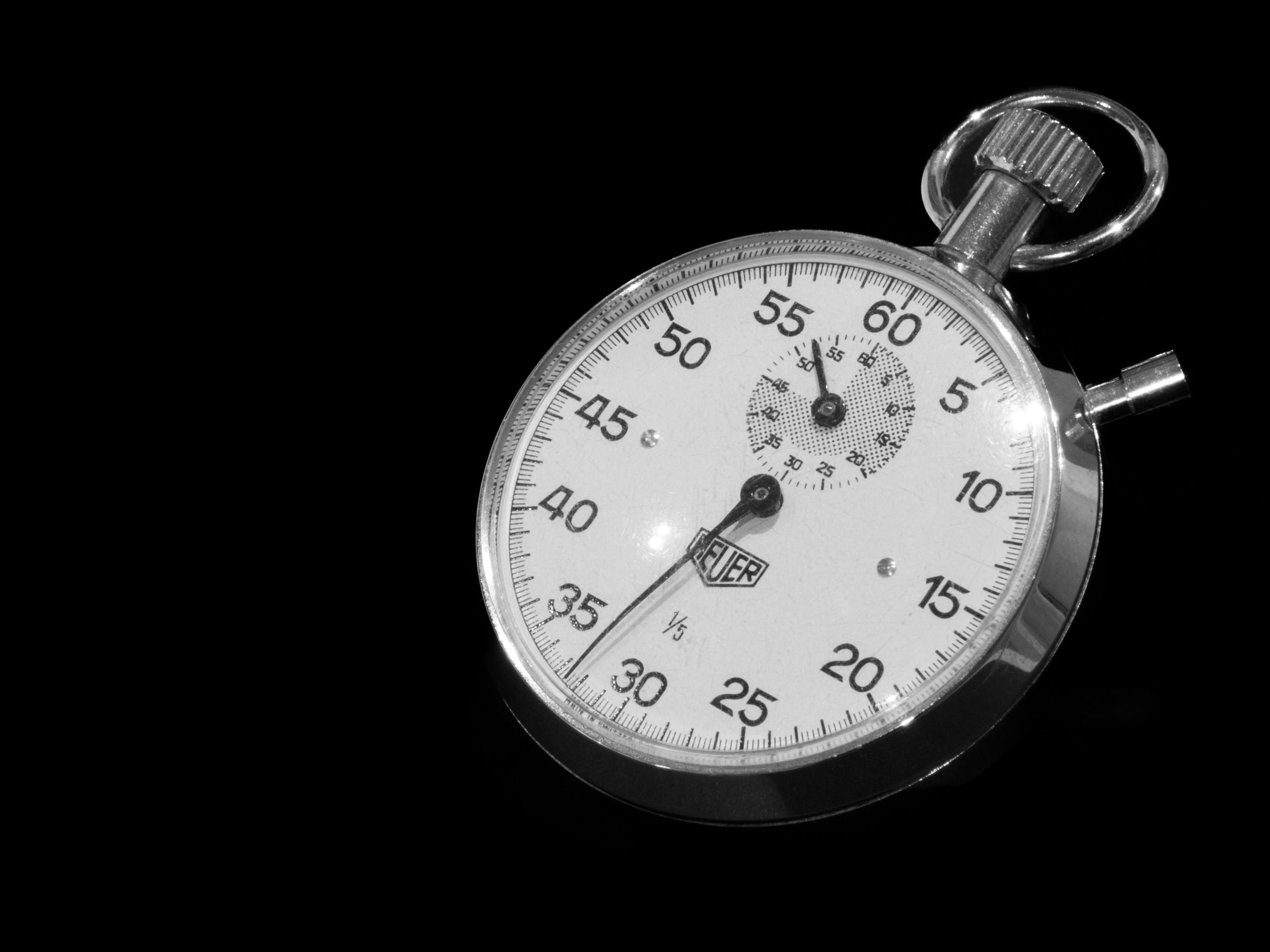
Roadbook roller, tripmeter, trip computer – what equipment do you need for a regularity rally? An overview of all key navigation tools.