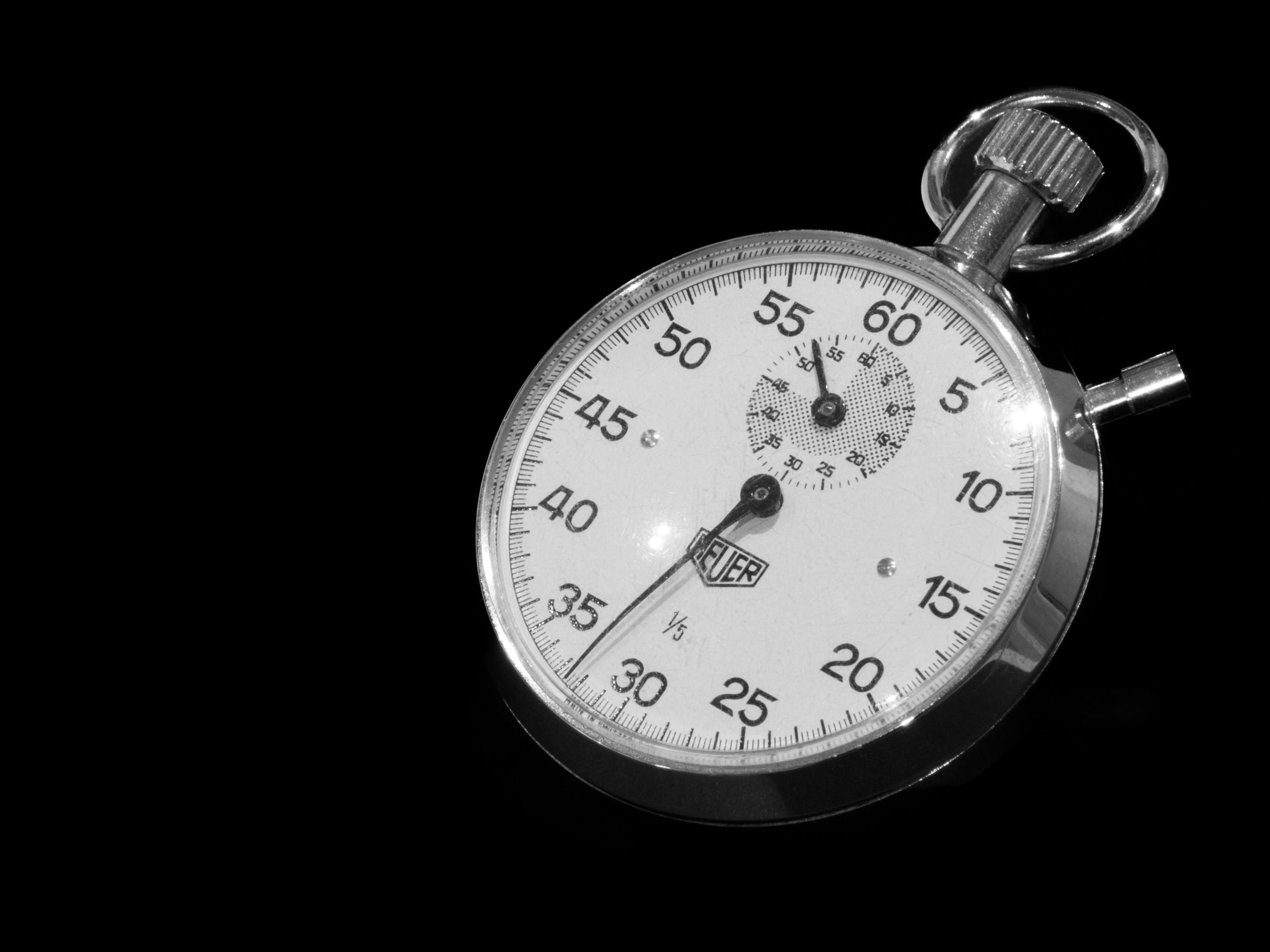
Navigation & roadbook
Equipment
Roadbook roller, tripmeter, trip computer – what equipment do you need for a regularity rally? An overview of all key navigation tools.
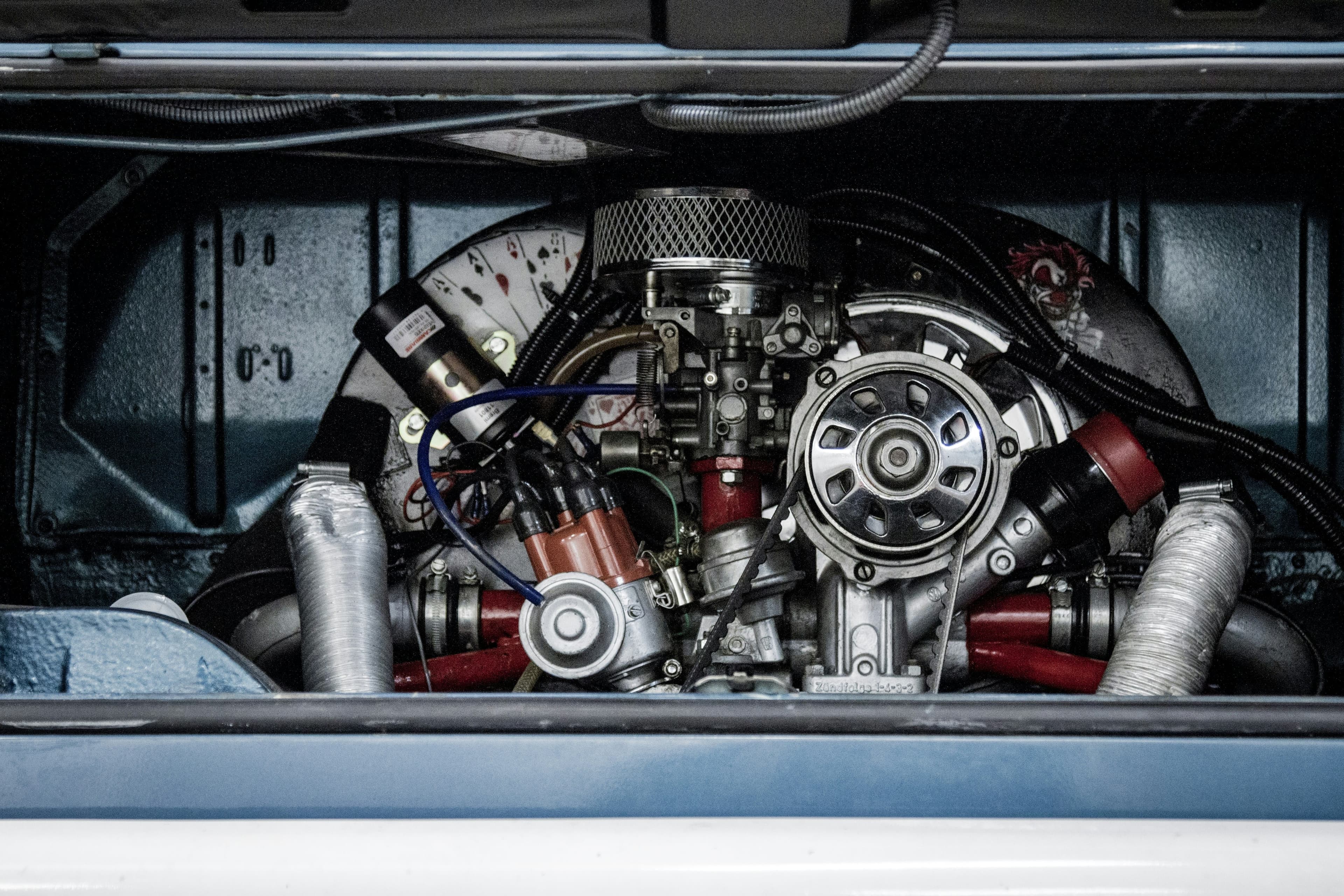
A rally weekend needs good preparation. Nothing is more annoying than discovering on the morning of the start that an important document or piece of equipment is missing. With this checklist you'll reach the start relaxed and fully equipped.
Before departure, check: tyre pressure and tread, oil and coolant levels, the function of all lights, brakes and wipers. Also pack a small tool kit, spare fuses, some engine oil and coolant, plus a warning triangle and hi-vis vests.
Don't forget: provisions, sun protection, weatherproof clothing and comfortable shoes. A rally day can get long, and the weather changes faster than expected.
Think of yourself too: enough water and snacks, sunglasses, a hat or cap, a rain jacket, cash for the road as well as a fully charged phone and a power bank. Anyone setting off early will appreciate a thermos of coffee.
The best preparation begins the evening before. Fully charge all electronic devices, pack your bags and lay out the documents ready to hand. Study the event information once more and memorise the schedule. Anyone with an early start should go to bed in good time – a well-rested crew navigates far more precisely. In the morning, allow plenty of time for the journey and the document check.
Before setting off, driver and co-driver should discuss their roles. Who operates which stopwatch? How are calls phrased? What happens if you take a wrong turn? A brief agreement prevents hectic moments and misunderstandings during the drive. Well-rehearsed crews develop their own communication over time – but a clear briefing pays off even for your first rally.
Even after the event a quick look at your equipment is worthwhile. Clean and stow the stopwatches and mounts properly so everything is ready next time. Check your vehicle for any irregularities that occurred during the drive and note down what could go better next time. This small follow-up makes every further rally more relaxed and ensures you learn from each event.
Roadbook roller, tripmeter, trip computer – what equipment do you need for a regularity rally? An overview of all key navigation tools.
How does a regularity rally unfold? From registration to the prize-giving – the full event schedule explained step by step on RallyGuide.
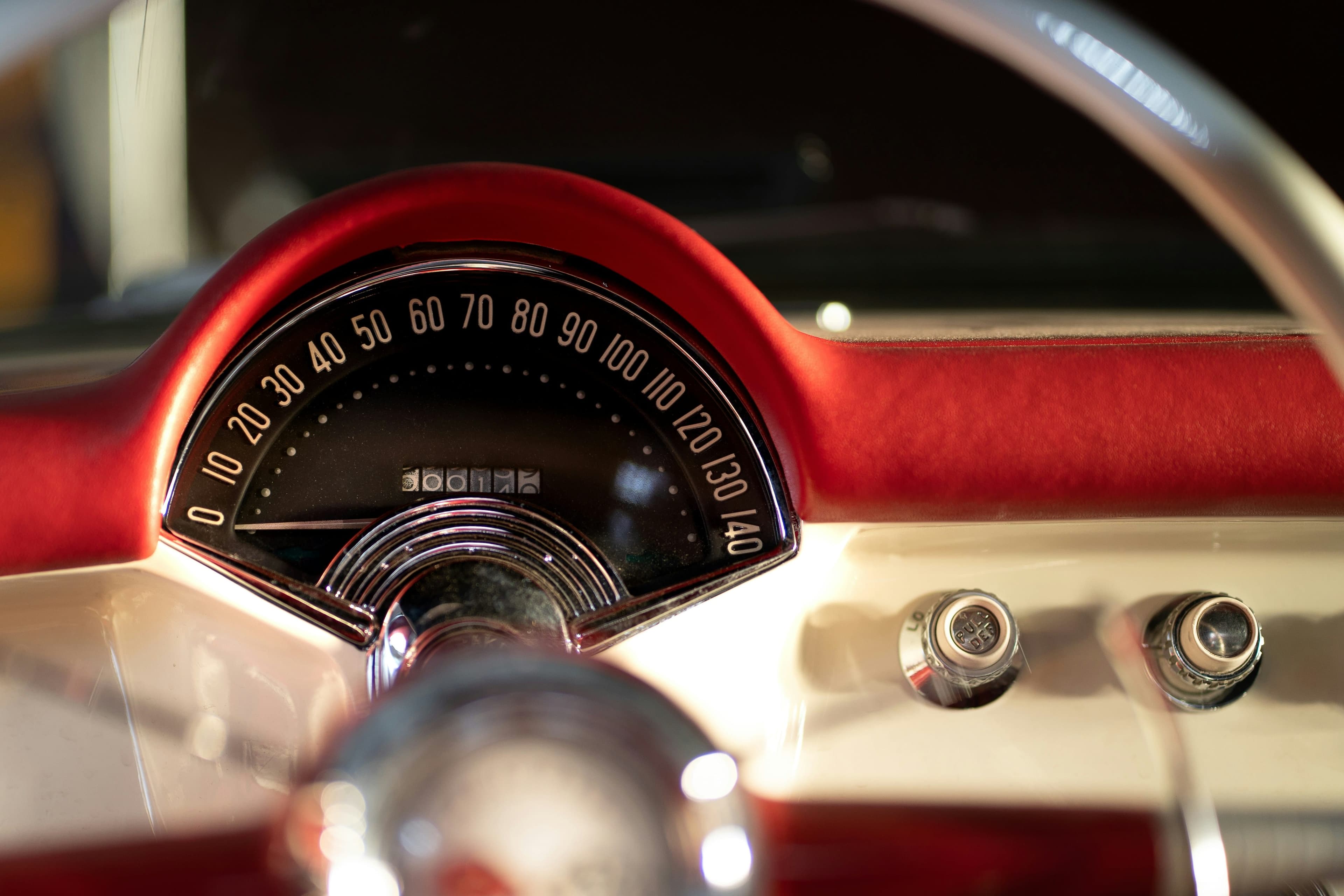
What does a classic car rally really cost? Entry fees, equipment, vehicle and travel – every cost factor explained transparently on RallyGuide.
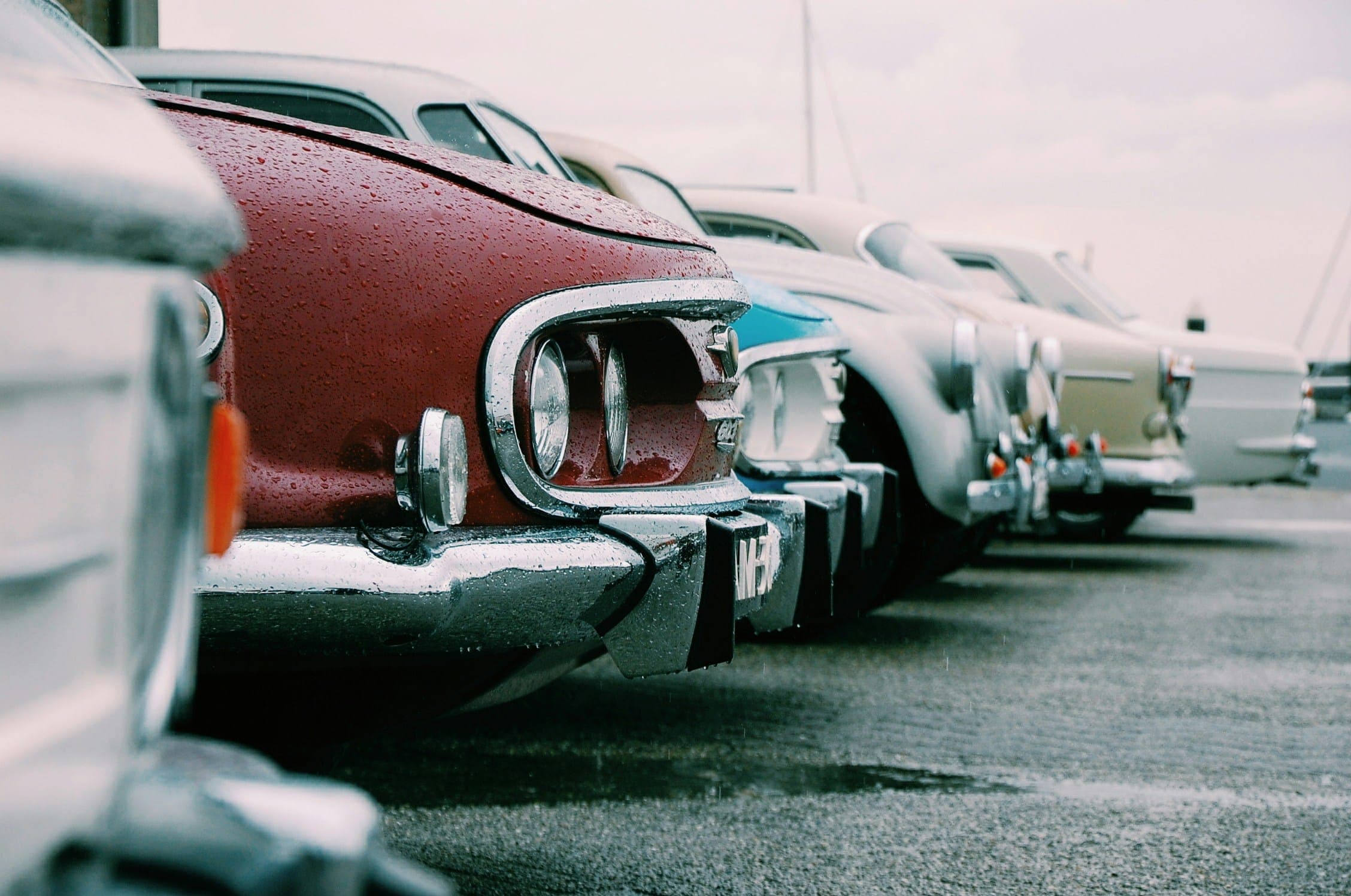
Which vehicle classes exist in regularity rallies? Categories by year, homologation and engine size – clearly explained on RallyGuide.