Getting started
For beginners
Your first rally weekend: what you need, what to expect and how to prepare. The complete guide for regularity rally beginners.
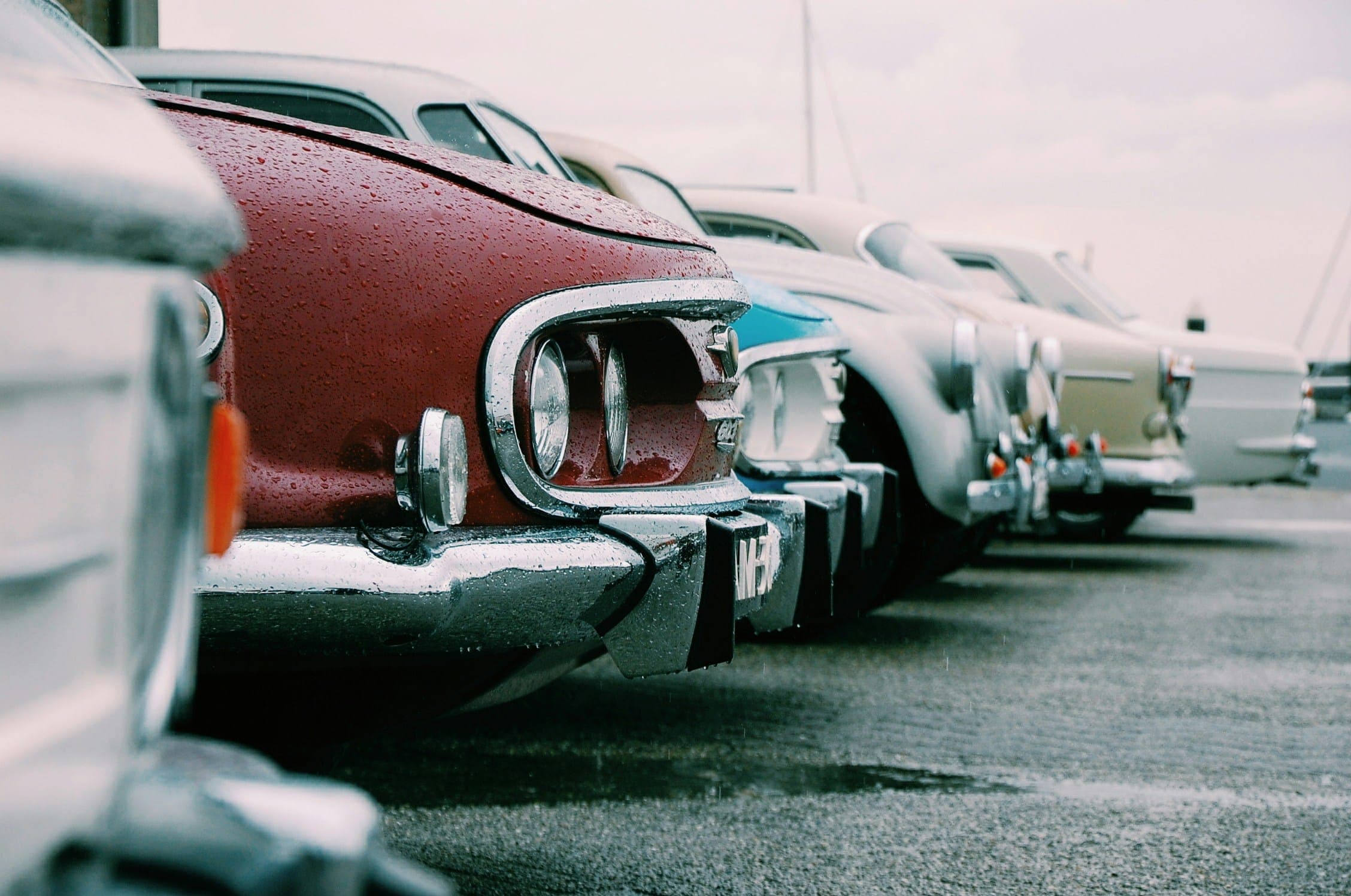
Regularity rallies divide the participating vehicles into classes – usually by year of manufacture, sometimes also by engine size or vehicle type. This division ensures fair comparisons and makes it possible for a pre-war classic and a youngtimer to take part in the same event.
The most common division is by era: pre-war vehicles, classics of the 1950s to 1970s and youngtimers from the 1980s onwards. Each event defines its own limits, which are set out in the event information.
Some rallies require proof of originality, for example via a FIVA Identity Card. This certifies that a vehicle is preserved in a historically correct condition. For many licence-free beginner rallies, however, this is not required.
The division into classes ensures fairness. A pre-war vehicle has different driving dynamics from a 1970s sports car. By grouping them, comparable vehicles compete against each other and the scoring becomes fairer. At the same time, the colourful mix of different eras is exactly what gives a classic car rally its special charm.
More and more events are opening up to youngtimers – vehicles of the 1980s and 1990s that are slowly reaching classic status. This growing category lowers the entry barrier, as such vehicles are often cheaper and more suited to everyday use. Some rallies even offer open classes for modern cars, so that truly everyone can find a way in.
Before registering, check carefully which class your vehicle falls into and whether the event offers suitable categories. The event information will tell you. When in doubt, a quick query to the organiser is worthwhile – that way you avoid surprises at the document check and start in the right category.
Besides the pure vehicle class, many rallies additionally distinguish by experience groups – such as beginners, advanced and experts. This separation ensures that newcomers don't have to compete directly against seasoned pros. That way the competition stays motivating and fair for beginners too. When registering, note which group you're starting in and, when in doubt, choose the appropriate beginner category.
As an internationally recognised reference, FIVA (Fédération Internationale des Véhicules Anciens) has defined vehicle classes by year of manufacture. They are entirely optional for organisers – each organiser sets the accepted years of manufacture and class structure of their own event – but serve many rallies as a common reference.
Class A (Ancestor): vehicles built up to 31 December 1904.
Class B (Veteran): 1 January 1905 to 31 December 1918.
Class C (Vintage): 1919 to 1930.
Class D (Post Vintage): 1931 to 1945.
Class E (Post War): 1946 to 1960.
Class F: 1961 to 1970.
Class G: 1971 to 1980.
Class H: 1981 to 1990.
Class I: from 1991 up to the FIVA age limit for historic vehicles.
Class Y (Youngtimer): vehicles between 20 and 29 years old.
The complete and always up-to-date overview is available from the FIVA Events Commission.
Your first rally weekend: what you need, what to expect and how to prepare. The complete guide for regularity rally beginners.
Rally checklist for your weekend: vehicle, equipment, documents and preparation. Forget nothing with this compact overview on RallyGuide.
What does a classic car rally really cost? Entry fees, equipment, vehicle and travel – every cost factor explained transparently on RallyGuide.
Classic rally preparation: technical requirements, safety check and equipment. Everything you need to know before the start – on RallyGuide.