Vehicle & technology
Preparing the vehicle
Classic rally preparation: technical requirements, safety check and equipment. Everything you need to know before the start – on RallyGuide.

The scoring system is the heart of every regularity rally – and for beginners often the biggest puzzle. Yet the basic principle is simple: the more accurately you meet the targets, the fewer penalty points you collect. Whoever has the fewest points in the end wins.
The control points measure how accurately you met the target time. Any deviation – whether too early or too late – results in penalty points, often measured in hundredths or tenths of a second. Being too early is usually penalised just as much as being too late, sometimes even more harshly.
Secret controls are not announced – you don't know where timing takes place. This prevents crews from driving precisely only just before known control points. Passage controls, on the other hand, confirm that you have followed the correct route.
Common beginner mistake: arriving too early at the control point. Many think faster is better – but only the exact target time counts. Better to deliberately plan in a little buffer.
The key to few penalty points is consistency. A steady pace is easier to hold and correct than constant accelerating and braking. The navigator should continually make the target-versus-actual comparison and call out small corrections early, rather than reacting hectically just before the control point. Practice and a well-rehearsed team pay off immediately here.
Every event has its own scoring regulations. Some penalise tenths of a second, others work with tolerance windows. It is worth studying the regulations thoroughly before the start to understand the scoring logic. Whoever knows how timing is done can adjust their strategy accordingly and avoids costly misunderstandings.
After the rally it is worth looking at the detailed scoring. Many organisers publish the times of the individual special stages. From this you can read off where points were lost – valuable information for the next event. Successful crews analyse their results systematically and work specifically on their weaknesses, rather than just looking at the overall result.
Classic rally preparation: technical requirements, safety check and equipment. Everything you need to know before the start – on RallyGuide.
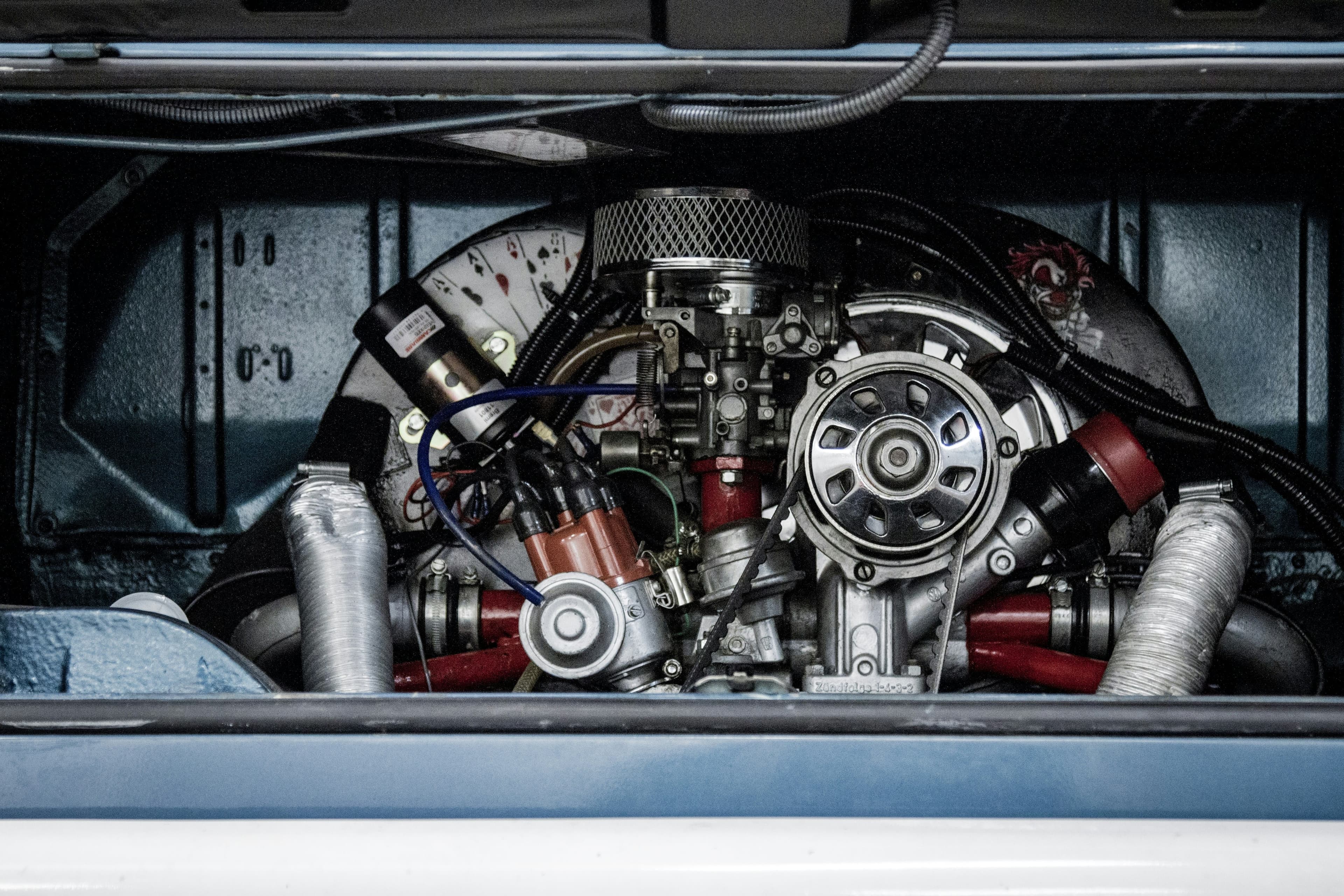
Rally checklist for your weekend: vehicle, equipment, documents and preparation. Forget nothing with this compact overview on RallyGuide.
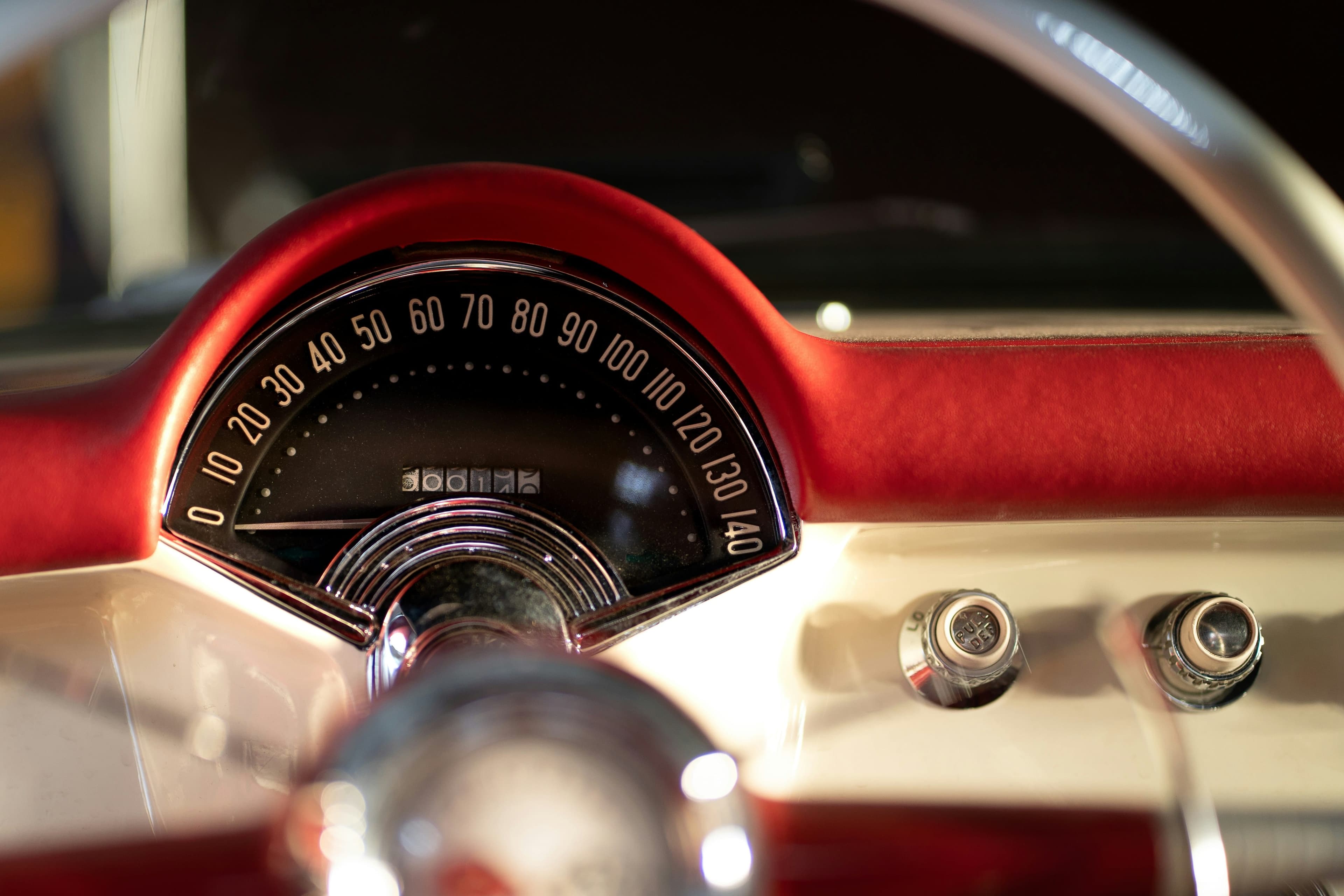
What does a classic car rally really cost? Entry fees, equipment, vehicle and travel – every cost factor explained transparently on RallyGuide.
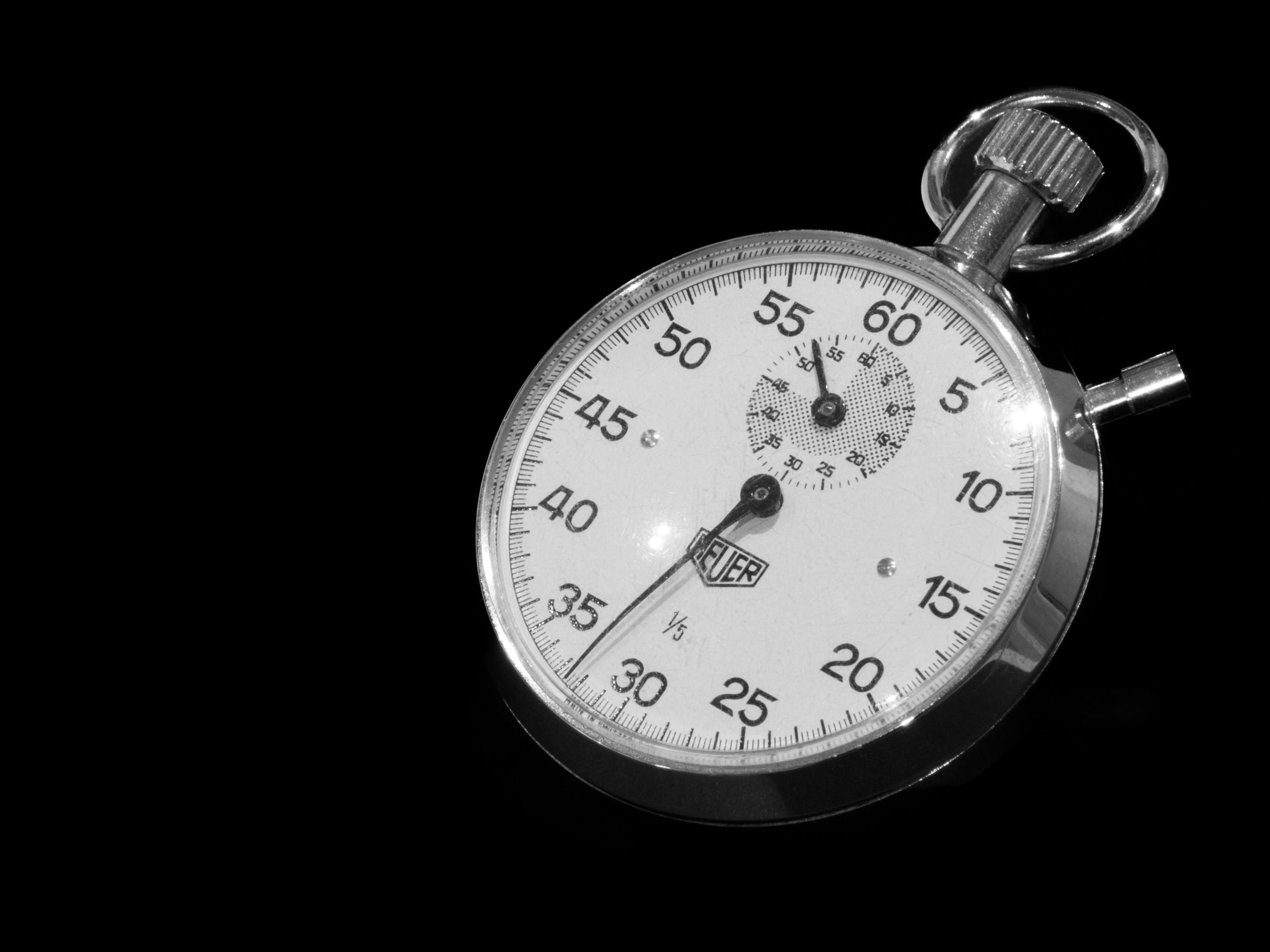
Roadbook roller, tripmeter, trip computer – what equipment do you need for a regularity rally? An overview of all key navigation tools.