Getting started
Taking part without your own car
Want to experience a classic car rally without owning one? Three ways in: join as a co-driver, rent a classic or start in a beginners' class.

Every regularity test starts before the start line: in the regulations and in the roadbook. They tell you how long the section is, which average speed or target time applies and whether the timing points are known or secret. These three facts decide how you drive the test. With known timing points only the time at those points counts; with secret controls your pace has to be right along the whole section.
Also check how time is measured: to the second, the tenth or the hundredth, by light barrier, pressure hose or by hand. The finer the measurement, the more preparation matters.
The formula is simple: target time = distance ÷ speed. In practice you need it in seconds per 100 metres or per kilometre. At 36 km/h you cover exactly 10 metres per second, so 10 seconds per 100 metres and 100 seconds per kilometre. All other values follow from that.
| Average km/h | Seconds per 100 m | Time per km |
|---|---|---|
| 30 | 12.0 | 2:00 |
| 36 | 10.0 | 1:40 |
| 40 | 9.0 | 1:30 |
| 45 | 8.0 | 1:20 |
| 48 | 7.5 | 1:15 |
| 50 | 7.2 | 1:12 |
Example: a section of 4.2 km at 45 km/h gives 4.2 × 80 seconds = 336 seconds, i.e. 5:36 minutes. Work this out before the start, not while driving.
| Distance km at 45 km/h | Target time |
|---|---|
| 1.0 | 1:20 |
| 2.0 | 2:40 |
| 3.0 | 4:00 |
| 4.0 | 5:20 |
| 4.2 | 5:36 |
| 5.0 | 6:40 |
Rule of thumb for the co-driver seat: 36 km/h is 10 seconds per 100 metres. At 45 km/h it is 8 seconds, at 30 km/h 12 seconds. With these three values in your head you can estimate any split time.
Before the start line the co-driver zeroes the tripmaster or trip counter, notes the start time and the target times for the intermediate points, for instance every 500 metres. The stopwatch runs from the start line, not from the moment you pull away. Agree on the roles beforehand: the driver holds the pace and watches the road, the co-driver reads distance and time and calls the deviation.
Also check that the tripmaster is calibrated. An error of one per cent is already 50 metres over 5 km, four seconds at 45 km/h. Many rallies provide a calibration section for this.
At every intermediate point the co-driver calls the deviation: "plus two" means two seconds late, "minus one" a second early. The driver corrects gently over the next hundred metres, not with a burst of throttle or a stab of the brakes. The aim is to roll into the timing point at zero deviation and hold the pace there, not to brake.
With known timing points it helps to be exactly on target shortly before the point and keep the speed constant. With secret time controls there is no such trick: there, driving evenly along the whole section is what counts. How deviations turn into penalty points is explained in Scoring and penalties.
The most common mistake is the start: starting the watch only when pulling away, or rolling over the line early, puts you off from the first metre. The second is late correction: making up a deviation just before the timing point means passing it too fast or too slow and losing the time you wanted to gain. The third is a badly calibrated tripmaster. And the fourth is the division of roles: if both of you watch the clock, nobody watches the road.
A fixed call-out language agreed between the two of you helps. What you need on board is covered in Equipment.
A look at the regulations shows how differently tests are set up. The Schwäbische Alb Classic runs regularity tests at around 20 known target-time checkpoints. The Winterrallye Steiermark sets the average on snow at a maximum of 50 km/h. The Rallye Olympus Classic runs at 30 to 50 km/h on open roads and measures to the tenth of a second. The Charity Classic sets its 180 km for an average of 40 km/h. The maths is the same everywhere; only the tolerance changes.
Want to experience a classic car rally without owning one? Three ways in: join as a co-driver, rent a classic or start in a beginners' class.
What the co-driver really does in a regularity rally: roadbook, timing, time card, call-outs. With equipment list, the rally day and typical mistakes.
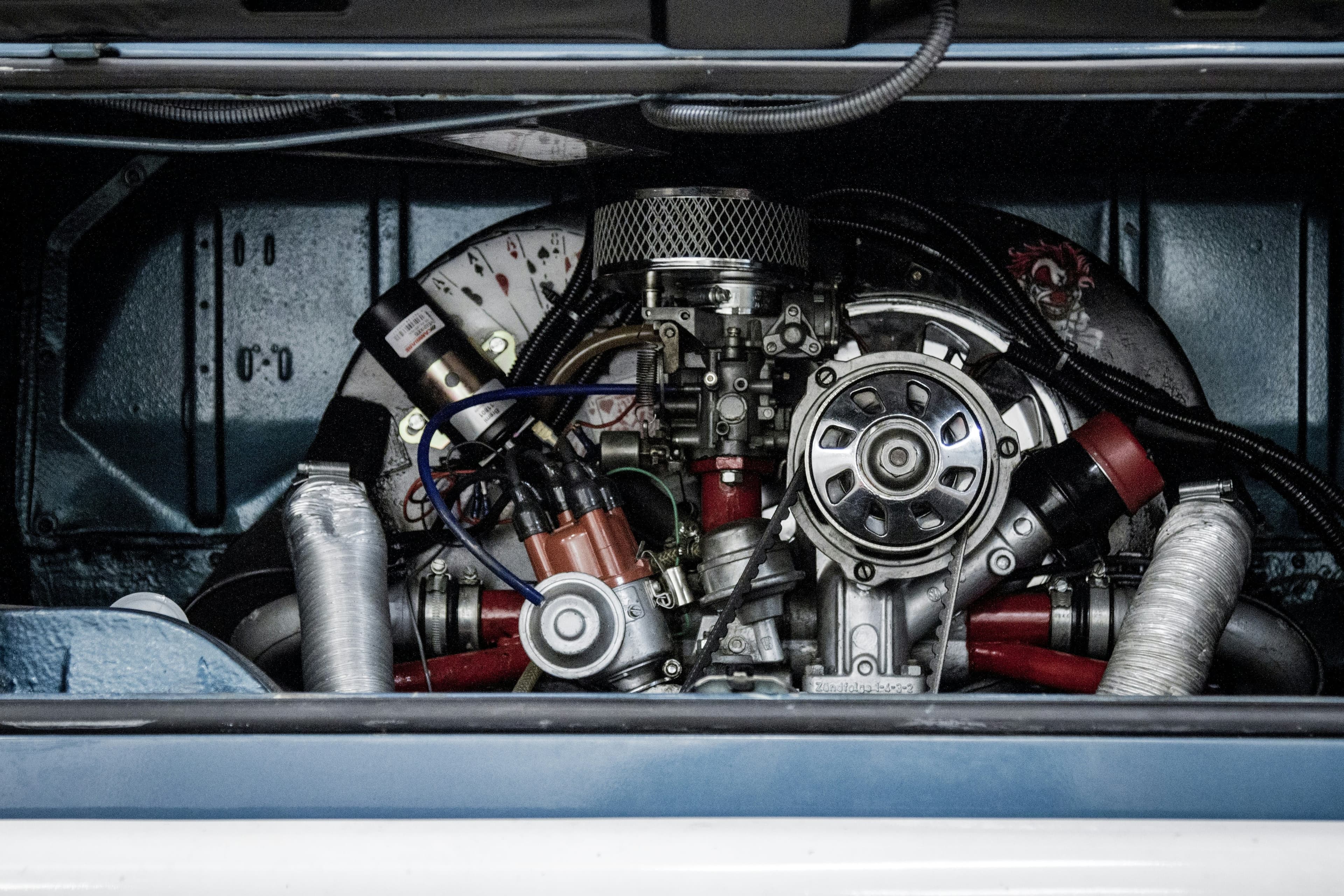
Rally checklist for your weekend: vehicle, equipment, documents and preparation. Forget nothing with this compact overview on RallyGuide.
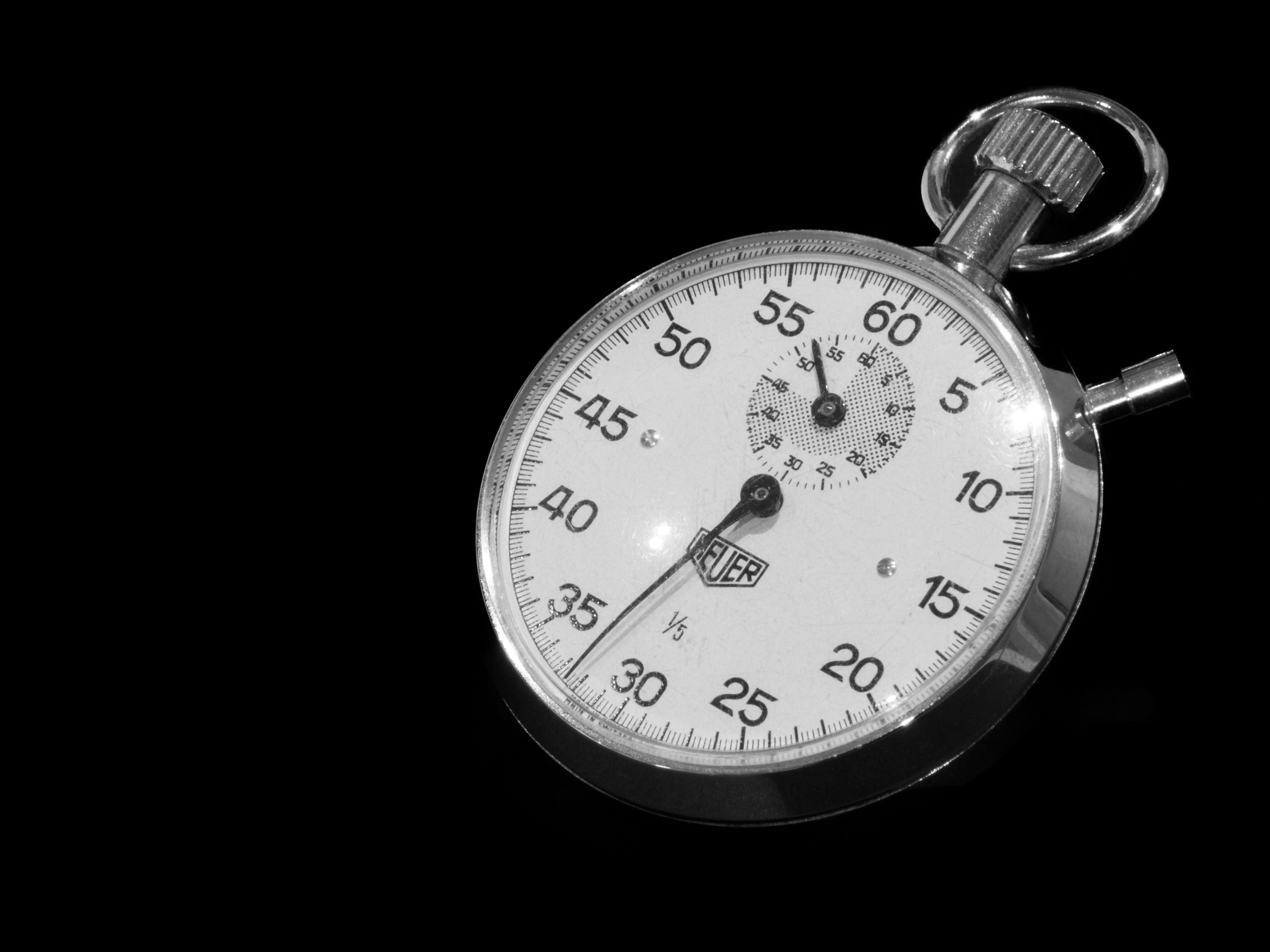
Roadbook roller, tripmeter, trip computer – what equipment do you need for a regularity rally? An overview of all key navigation tools.