Navigation & roadbook
Reading the roadbook
Reading the roadbook made easy: from the first symbol to a full stage. With practical exercises and expert tips for beginners and beyond.

Most people who experience a classic car rally for the first time are not behind the wheel. They sit on the right. A regularity rally is driven by two, and the co-driver is not a passenger but half the crew: reading the roadbook, calculating the times, keeping the time card. So if you do not own a classic car, there are three ways into a rally: the co-driver seat, a rental car or an event that also admits younger cars.
Before every rally many drivers are looking for a co-driver because partners, friends or the usual navigator have dropped out. It pays to ask: at classic car clubs in your region, at the organiser, who often puts people in touch, and at the events themselves, ideally at the classic car meeting or the prize-giving where the crews gather. Anyone who has navigated cleanly once will be asked again.
What you need to bring is manageable: calm, clear language and the willingness to study the roadbook beforehand. What the co-driver does on rally day is in the Co-driver guide. At many rallies the co-driver is included in the entry fee; the Heidelberger Herbstrallye quotes 165 euros for car with driver and co-driver and 70 euros for each additional passenger.
A good first step is a seat in the back: some rallies admit additional passengers, and the Charity Classic explicitly allocates extra seats. That way you experience roadbook and time controls without being responsible yourself.
Renting a classic for a rally is more common than many think. Some organisers work with rental companies: at the Kids Benefits Rally a rental company from Dalfsen provides cars from 400 euros including insurance. Otherwise classic car rental firms in your region help, and they often offer rally packages with tripmaster and registration.
What to watch: the car must meet the year-of-manufacture limit in the supplementary regulations, be road-registered and insured, and the rental company must allow participation in scored events. Drive a few test kilometres beforehand. What entry fee, rental and extras add up to is worked out in Rally costs.
Not every event demands a pre-war car. Many rallies admit cars up to a certain age, often 25 or 30 years, and run a youngtimer class. Some also accept modern cars in a separate class outside the prize-giving. Then there are beginners' classes with a simpler roadbook: the Kids Benefits Rally introduced a starter class for this, the Winterrallye Steiermark has a relaxed category without time pressure, and at the ADAC Landpartie Classic you can drive along without taking part in the classifications.
Which cars may start where is explained in Vehicle classes. The year limits are in every set of regulations and change from year to year.
A one-day event nearby with a touring class, a known route and an organiser who explicitly welcomes beginners is ideal to start with. Search the calendar for one-day rallies and read the regulations: if they say "touring", "leisure" or "beginners", you are in the right place. Multi-day rallies with hotel packages are the second step.
What you need to know before the first start is summarised in the Beginners' guide; what belongs in the car in the morning, in the Checklist.
Even without your own car you need a few things: clipboard or roadbook holder, two pens, a highlighter, a stopwatch or watch with seconds display, a jacket for open cars and sun protection. Everything else is provided by the driver. Ask beforehand whether there is a tripmaster and who does the calculating.
And then: listen, read ahead, stay calm. Your first rally is not the one you win but the one after which you are asked again.
Reading the roadbook made easy: from the first symbol to a full stage. With practical exercises and expert tips for beginners and beyond.
How does a regularity rally unfold? From registration to the prize-giving – the full event schedule explained step by step on RallyGuide.
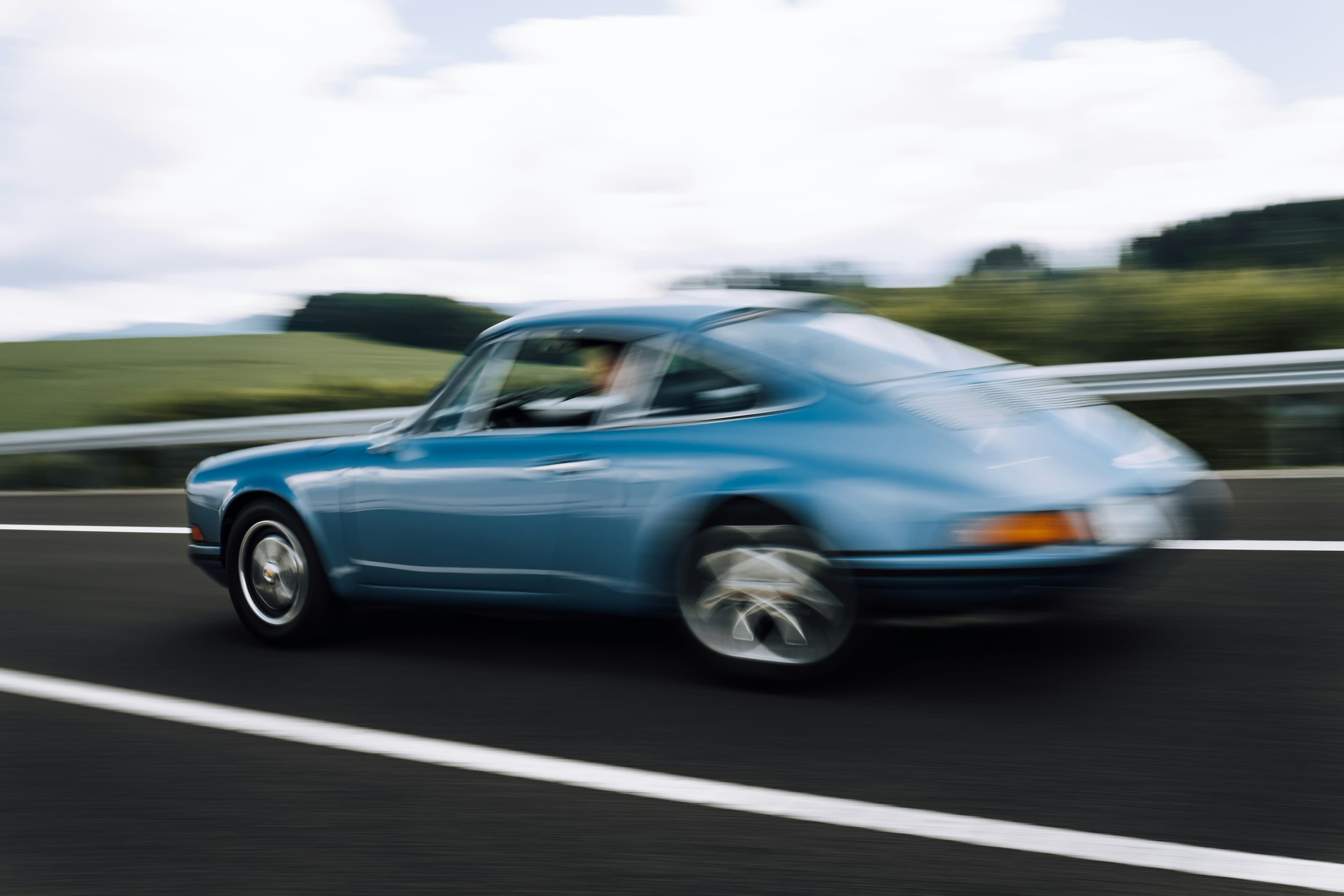
How does a regularity rally work? Special stages, timing, route and rules clearly explained for beginners and seasoned crews alike.
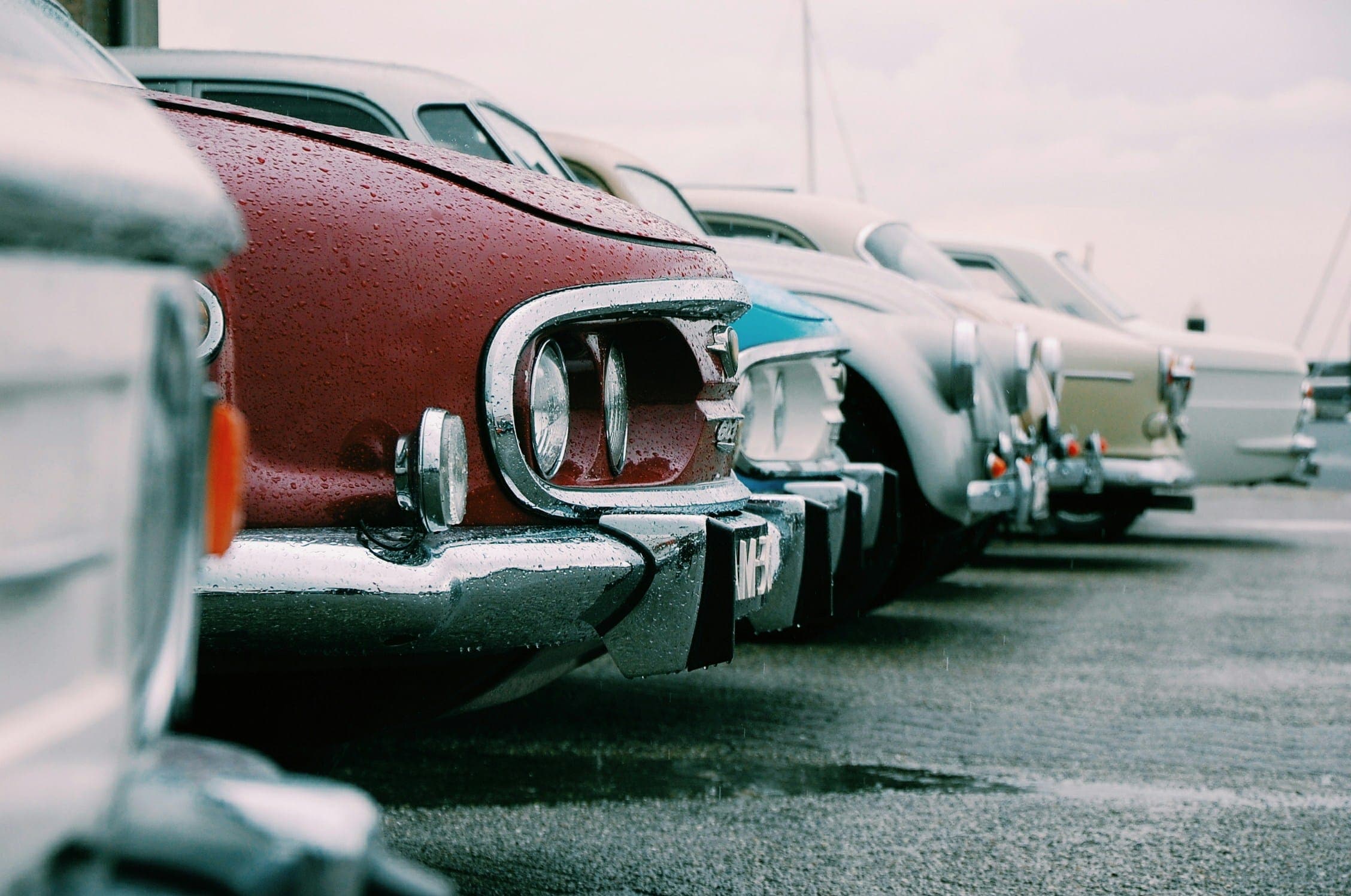
Which vehicle classes exist in regularity rallies? Categories by year, homologation and engine size – clearly explained on RallyGuide.