Getting started
Costs & budget
What does a classic car rally really cost? Entry fees, equipment, vehicle and travel – every cost factor explained transparently on RallyGuide.

Knowing the individual roadbook symbols is one thing – reading them fluently under time pressure and translating them into clear calls is quite another. This guide shows you how to get from understanding symbols to confident real-time navigation.
A good navigator calls out not only what is coming but also when. Instead of just ‘right’ it is ‘in 300 metres, sharp right at the church’. The advance warning gives the driver time to react. Over time, develop your own concise language – it saves valuable seconds.
Pro tip: mark particularly tricky spots in the roadbook with a coloured pen while preparing. In the heat of the moment you'll find them again more quickly.
The typical beginner mistakes are quickly named: calling out too late, so the driver has no time to react; losing your place in the roadbook while on the move; and confusing similar symbols in the rush. All three can be avoided with practice and a calm, structured way of working. Establish fixed routines and stay methodical even under stress.
Reading the roadbook is never a solo effort. The best navigator is of little use if the driver doesn't act on the calls – and vice versa. Successful crews develop an almost instinctive understanding: the driver trusts the calls, the navigator knows the driver's pace. This trust grows with every shared rally and is ultimately more important than any expensive device.
Every experienced navigator started small. The first rallies are often marked by uncertainty and small mistakes – that is completely normal and part of the learning process. The important thing is not to be discouraged and to see every mistake as a chance to learn. With every event your routine grows, and what seemed overwhelming at first becomes second nature. Stay patient with yourself and your team.
What does a classic car rally really cost? Entry fees, equipment, vehicle and travel – every cost factor explained transparently on RallyGuide.
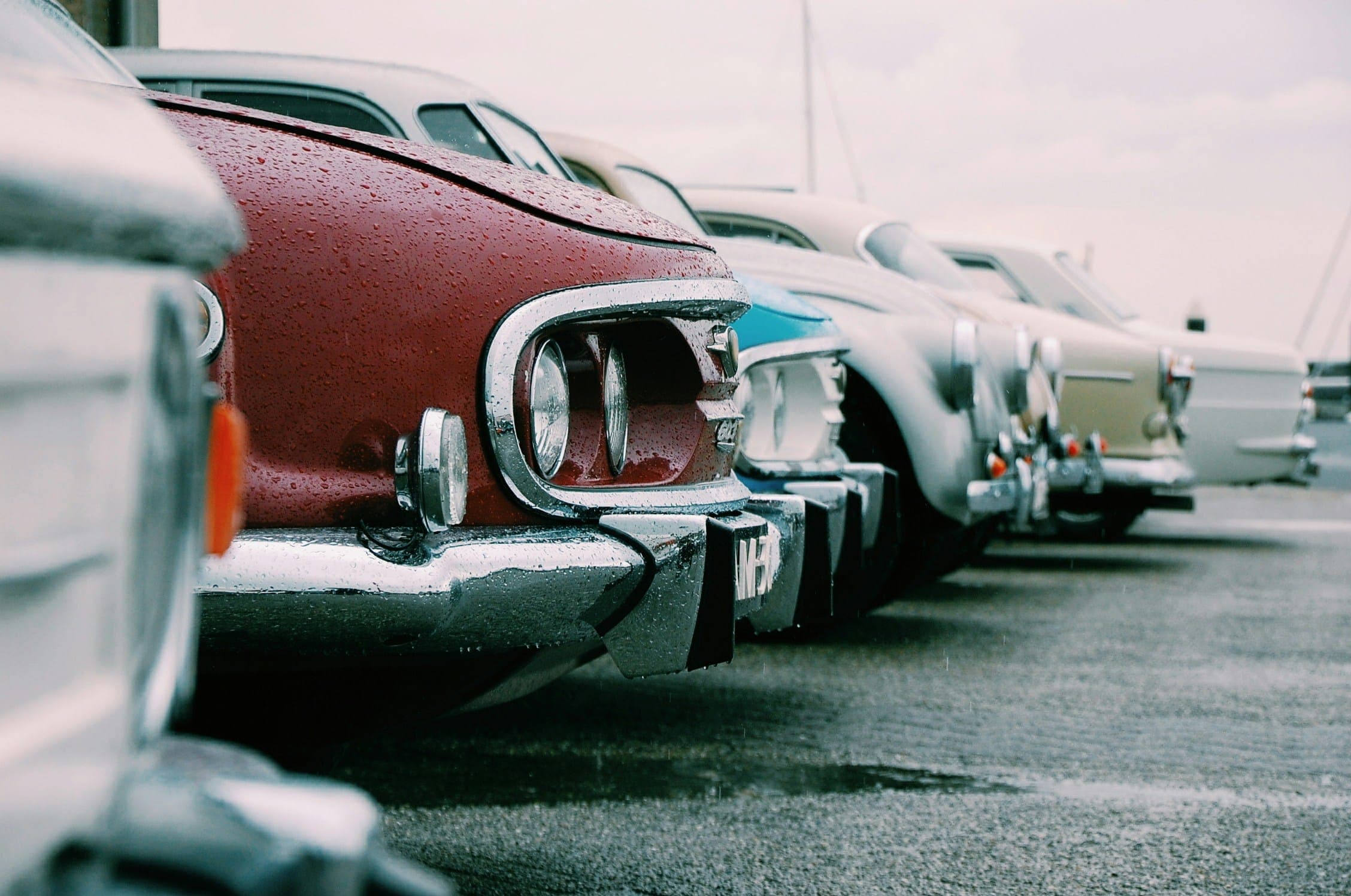
Which vehicle classes exist in regularity rallies? Categories by year, homologation and engine size – clearly explained on RallyGuide.
Classic rally preparation: technical requirements, safety check and equipment. Everything you need to know before the start – on RallyGuide.
How is a regularity rally scored? Target time, penalties, timing and results – the scoring system explained simply and clearly on RallyGuide.